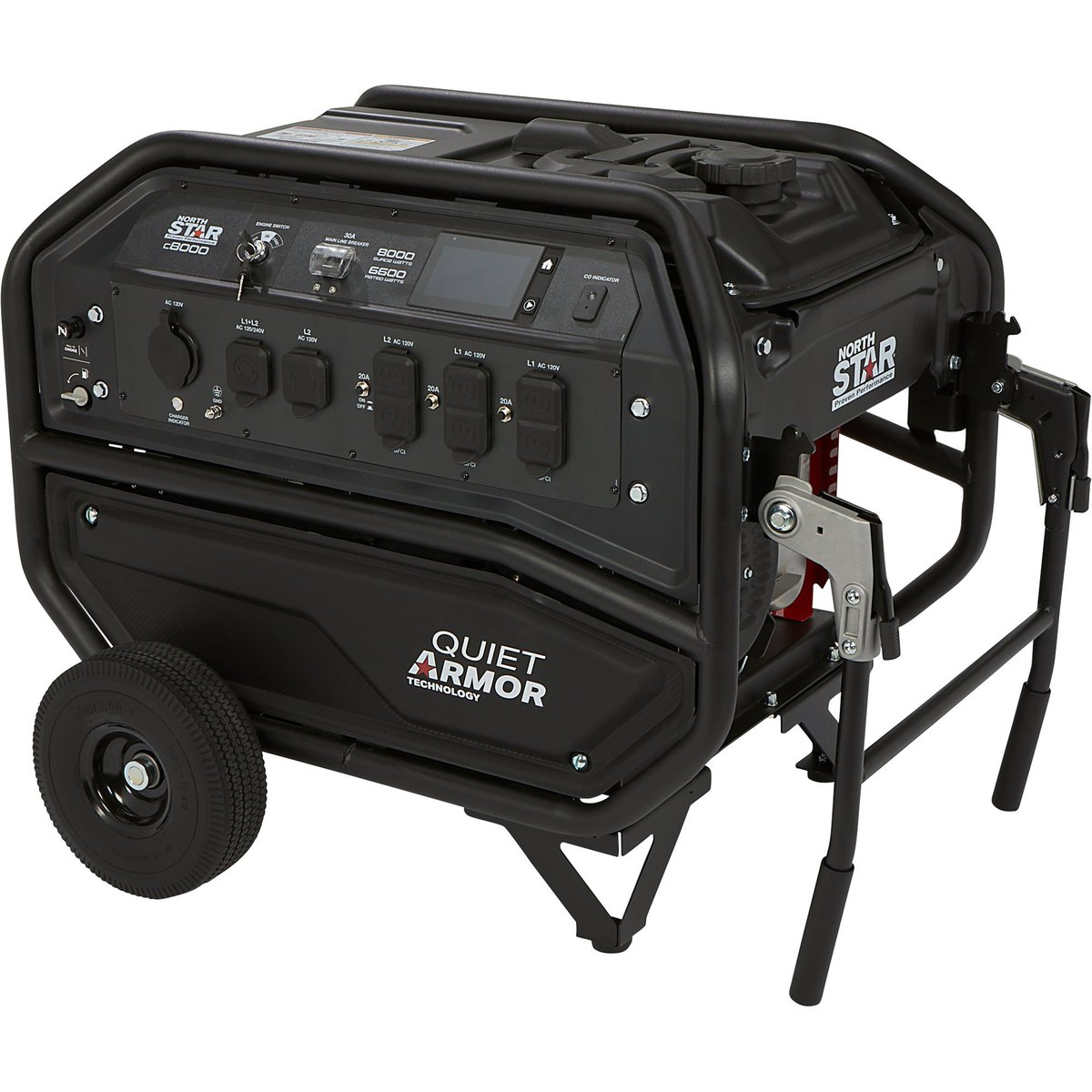
Few pieces of equipment are as indispensable as a reliable generator when the power grid falters, especially for those in rural areas or managing larger properties. Northern Tool generators, like the robust M127494P Portable PTO Generator, are built to deliver serious power. But even the best machinery can encounter a hiccup. When your essential backup power source hits a snag, understanding both Troubleshooting & Warranty for Northern Tool Generators becomes paramount. This guide cuts through the technical jargon, offering clear, actionable steps to diagnose common issues and navigate the warranty process, ensuring you’re never left in the dark for long.
At a Glance: Key Takeaways for Your Northern Tool Generator
- Manual First: Always consult your generator’s manual for specific troubleshooting steps and safety warnings. It’s your most reliable resource.
- Safety Above All: Carbon monoxide, electrocution, fire, and PTO entanglement are serious risks. Never operate indoors, ensure proper grounding, and always use guards.
- Fuel, Spark, Air: Most starting issues boil down to one of these three. Check them systematically before delving deeper.
- Preventative Maintenance Pays Off: Regular checks and servicing dramatically reduce the likelihood of unexpected breakdowns.
- Warranty Specifics: Northern Tool generators typically carry warranties covering defects in materials and workmanship, but not misuse or lack of maintenance. Keep your purchase records handy.
- Know When to Call for Help: Don't hesitate to contact NorthStar Product Support (1-800-270-3610) or a qualified technician for complex problems.
When Silence Isn’t Golden: Troubleshooting a Generator That Won’t Start
There’s nothing quite as frustrating as needing your generator, only to have it stubbornly refuse to fire up. For your Northern Tool M127494P PTO generator, a non-start situation can range from a simple oversight to a more complex mechanical issue. Before you panic, let's walk through a systematic approach to get it humming again.
The Initial Checks: Don't Overlook the Obvious
Many problems are solved by addressing the most basic elements. Treat these as your pre-flight checklist.
- Fuel Level & Quality:
- Is there enough fuel in the tractor's tank? This might seem basic, but it's a common oversight.
- Is the fuel fresh? Stale fuel, especially gasoline, can cause significant starting problems. Fuel stored for long periods, particularly over winter, can degrade and gum up the carburetor. If your fuel is old, drain it and refill with fresh, stabilized fuel.
- Is the fuel valve open? On some tractor models, a fuel shut-off valve might be closed.
- Engine Oil Level:
- Check your tractor's engine oil level. Low oil can trigger safety shutdowns that prevent starting. Always use the recommended oil type and maintain the correct level.
- Choke Position (for Cold Starts):
- If your tractor's engine is cold, ensure the choke is set to the "CLOSED" or "START" position. As the engine warms, gradually move it to "OPEN" or "RUN." Too much choke on a warm engine can flood it.
- PTO Driveline Connection & Safety:
- Crucial for PTO Generators: Is the PTO driveline shaft securely locked at both the tractor and generator ends? A loose connection can prevent power transfer and, more dangerously, lead to entanglement or the unit becoming airborne.
- Are all PTO guards properly in place and freely rotating? Never operate without them. The M127494P model specifically requires proper PTO guarding to prevent serious injury. Improper mounting can cause the unit to flip violently, so ensure it's on a reinforced concrete slab or a secure PTO generator trailer. This is a critical safety check you can learn more about by reviewing best practices for PTO generator safety.
- Tractor Ignition & Safety Switches:
- Is the tractor’s ignition on?
- Are all tractor safety interlocks engaged (e.g., parking brake, neutral gear, operator in seat)? Your tractor won't start if these aren't met.
Diving Deeper: The Core Three – Fuel, Spark, and Air
If the initial checks don't resolve the issue, it’s time to investigate the fundamental requirements for combustion.
1. Fuel Delivery Problems
Even with fresh fuel, blockages can occur.
- Fuel Filter: A clogged fuel filter restricts fuel flow to the carburetor. Locate it (usually inline between the fuel tank and carburetor) and inspect or replace it if it looks dirty.
- Carburetor Issues: This is a common culprit, especially if the generator has been sitting with old fuel.
- Clogged Jet: Small jets inside the carburetor can get blocked by fuel varnish or debris, preventing fuel from mixing correctly with air. Cleaning a carburetor can be intricate and may require professional help.
- Float Problems: A stuck float can cause flooding (too much fuel) or starvation (not enough fuel).
- Fuel Pump (if applicable on your tractor): Ensure the fuel pump is operating correctly, delivering fuel to the carburetor.
2. Ignition System Woes (Spark)
Without a strong spark, combustion can't happen.
- Spark Plug:
- Remove the spark plug (after disconnecting the spark plug wire).
- Inspect: Is it fouled with carbon, oil, or fuel? A wet plug indicates flooding; a black, sooty plug means a rich fuel mixture or oil burning.
- Clean/Replace: Clean light fouling with a wire brush or replace if heavily fouled or worn. Ensure the gap is correct according to your tractor's manual.
- Test for Spark: Reconnect the spark plug wire to the plug. Hold the plug threads against a grounded metal part of the engine (e.g., a cylinder head bolt) with insulated pliers. Have someone crank the engine (briefly!). You should see a strong, blue spark. If not, the spark plug, spark plug wire, or ignition coil may be at fault.
3. Air Intake Obstructions
An engine needs a clear path for air to mix with fuel.
- Air Filter: A dirty or clogged air filter can choke the engine, preventing it from starting or running smoothly. Remove the air filter and inspect it. If it's heavily soiled, clean or replace it. Try starting the engine briefly with the air filter removed (in a dust-free environment) to see if it helps, but don't run it long without a filter.
Other Potential Causes
- Low Compression: If the tractor engine spins too easily with the spark plug removed, you might have low compression, indicating internal engine wear or damage (e.g., valves, piston rings). This is a job for a professional.
- Safety Shutdowns: Beyond low oil, some tractors have sensors for overheating or other critical conditions that prevent starting. Consult your tractor manual.
- Wiring/Electrical Connections: Check for loose or corroded electrical connections, especially on the tractor's ignition system.
Power Output Problems: When Your Generator Underperforms
Your Northern Tool M127494P is rated for 12,000 continuous watts (15,000 surge), designed to handle substantial loads. But what if it’s running, yet not delivering the power you expect, or tripping breakers constantly?
Overloading: The Most Common Culprit
Generators have limits. Exceeding the generator's continuous wattage rating will cause it to struggle, trip circuit breakers, or even damage the unit.
- Calculate Your Load: Add up the running wattage of all devices you intend to power simultaneously. Remember that many appliances (especially those with motors like refrigerators, pumps, or air conditioners) have a significantly higher surge (starting) wattage than their running wattage. Always ensure your total running wattage is below 12,000 watts and your total surge wattage is below 15,000 watts. If you're unsure how to calculate this, learning how to understand generator specifications can be incredibly helpful.
- Gradual Start-up: Don't plug in and turn on everything at once. Start with the highest amperage devices first, one at a time, allowing the generator to stabilize.
- Monitor Amperage: If your generator has an amperage meter, keep an eye on it. If it's consistently near the redline, you’re likely overloading it.
Circuit Breaker Trips
- Generator Breakers: The M127494P will have onboard circuit breakers for its receptacles. If a breaker trips, it's usually due to an overloaded circuit or a short in the connected appliance/cord.
- Disconnect devices from that circuit.
- Reset the breaker. If it immediately trips again, there’s an issue with the generator’s wiring or internal components, which requires professional inspection.
- If it holds, reconnect your devices one by one to identify the faulty one.
- GFCI Outlets: The M127494P requires UL-listed, outdoor-rated, grounded GFCI-equipped extension cords. If a GFCI (Ground Fault Circuit Interrupter) outlet trips, it indicates a ground fault – meaning electricity is flowing along an unintended path, posing a shock risk.
- Unplug all devices from the GFCI outlet.
- Press the "Reset" button. If it doesn’t reset, there might be moisture or a short in the outlet itself or the generator’s wiring.
- If it resets, plug in your devices one by one to identify the problematic appliance or cord.
RPM and Frequency Stability
Your PTO generator's output frequency (usually 60 Hz in North America) and voltage are directly tied to the tractor’s PTO RPM.
- Maintain Correct PTO RPM: Your generator manual will specify the required PTO RPM (e.g., 540 RPM for standard large frame PTOs) for optimal 60 Hz output. Use your tractor's tachometer to ensure the PTO is running at the correct speed.
- Fluctuating RPM: If the tractor's engine RPM surges or drops significantly under load, it could indicate:
- A governor issue on the tractor.
- A fuel delivery problem to the tractor engine.
- The generator itself being overloaded, causing the tractor to bog down.
- Incorrect throttle setting on the tractor.
Other Electrical Issues
- Loose Connections: Check all external electrical connections, including extension cords and any connections to a transfer switch, for looseness or corrosion.
- Damaged Cords: Inspect all extension cords for cuts, fraying, or exposed wires. Damaged cords are a safety hazard and can cause power delivery problems.
- Transfer Switch Problems: If connected to a building via a transfer switch, ensure the switch is correctly engaged and that no issues exist within your home’s wiring or the transfer switch itself. Remember, a licensed electrician must install a UL-approved transfer switch to prevent dangerous backfeed to the power grid. If you're considering this, reviewing selecting the right transfer switch for your home is a vital step.
Safety First: Non-Negotiables for Generator Operation
Operating any generator, especially a powerful PTO unit like the M127494P, demands unwavering attention to safety. Ignoring these warnings can lead to serious injury or death.
Carbon Monoxide Poisoning: The Invisible Killer
- Outdoor Use ONLY: Operate your tractor and generator exclusively outdoors, in a well-ventilated area, and far away from any building air intakes, windows, or doors. Never in a garage, shed, or partially enclosed space.
- CO Alarms: Install battery-operated carbon monoxide alarms inside any nearby structures where people might be present. Check them regularly.
- Symptoms: Know the signs of CO poisoning: headache, dizziness, nausea, weakness, confusion. If you or anyone experiences these, get to fresh air immediately and seek medical help.
Electric Shock/Electrocution: Power With Protection
- Grounding: Ensure your generator is properly grounded as specified in the manual.
- Never Backfeed: NEVER, under any circumstances, plug your generator directly into a wall outlet. This is known as "backfeeding" and can send electricity back into the utility grid, potentially electrocuting utility workers or neighbors. A UL-approved transfer switch, professionally installed, is absolutely essential for connecting to a building's electrical system.
- GFCI Protection: Use only UL-listed, outdoor-rated, grounded extension cords that are GFCI-equipped. GFCI outlets trip quickly if a ground fault is detected, significantly reducing the risk of shock.
- Dry Conditions: Always operate the generator and handle cords in dry conditions. Never operate in rain, snow, or wet environments. Keep your hands dry when touching the generator or cords.
Fire Hazards: Fuel, Heat, and Sparks
- Clearance: Maintain adequate cooling ventilation. Keep all objects at least 3 feet from generator vent openings to prevent overheating.
- Combustible Materials: Ensure minimum safe clearance between the hot tractor exhaust and any combustible materials (dry grass, leaves, fuel containers).
- Refueling Safety:
- Turn off the tractor engine and allow it to cool before refueling. Hot engine parts can ignite fuel vapors.
- Refuel outdoors in a well-ventilated area.
- Use an approved fuel container.
- Do not smoke or have open flames near the generator during refueling.
- Wipe up any spilled fuel immediately.
- Fire Extinguisher: Always keep an 'ABC' rated fire extinguisher nearby.
Power Take-Off (PTO) / Entanglement: The Danger of Moving Parts
- Proper Mounting: The M127494P generator requires mounting on a reinforced concrete slab or a secure PTO generator trailer. This prevents tipping or structural failure, which could cause the unit to flip violently. An optional NorthStar mount kit is available for concrete slabs.
- PTO Guarding: Never operate without proper PTO guarding. This includes freely rotating shields at each end of the driveline shaft.
- Secure Driveline: Ensure the PTO driveline shaft is securely locked at both ends. A detached or improperly secured shaft can become a flailing, deadly projectile.
- Loose Clothing/Hair: Keep loose clothing, jewelry, and long hair away from the PTO shaft and other moving parts.
- Clear Area: Keep children and pets well away from the operating generator and tractor.
Understanding Your Northern Tool Generator's Warranty
Your investment in a Northern Tool generator is protected by a warranty designed to cover manufacturing defects. Knowing what's covered, what's not, and how to file a claim is crucial.
What Your Warranty Typically Covers
Northern Tool (and its NorthStar brand) generators generally come with a limited warranty that covers defects in materials and workmanship under normal use and service. The duration of this warranty can vary by component or model, so always refer to the specific warranty statement included with your M127494P Portable PTO Generator manual.
Common coverage includes:
- Defects in the generator head (alternator)
- Structural components
- Controller/electrical components
- Engine (though for PTO units, the engine is your tractor's, not the generator's)
What the Warranty Usually Doesn't Cover
It's equally important to understand the exclusions. These are common across most generator warranties:
- Normal Wear and Tear: Items like spark plugs, filters, hoses, belts, or general deterioration from regular use are typically not covered.
- Misuse, Abuse, or Neglect: Damage resulting from operating the generator outside of its intended use, failure to follow instructions in the manual, overloading, or lack of proper maintenance (e.g., incorrect oil, stale fuel).
- Improper Installation or Setup: This is critical for the M127494P, which requires specific mounting and professional transfer switch installation for building backup.
- Unauthorized Modifications: Any alterations to the generator not approved or performed by authorized service personnel.
- Environmental Damage: Damage caused by weather events (floods, storms), accidents, theft, or natural disasters.
- Consumables: Fuel, oil, and other operational fluids.
- Freight Charges: Costs associated with shipping a unit for repair or replacement might not be covered.
The Warranty Claim Process: Your Step-by-Step Guide
If you believe your Northern Tool generator has a warrantable defect, here's how to proceed:
- Locate Your Documentation: Gather your original purchase receipt or proof of purchase, the generator's serial number (usually on a metal plate or sticker), and your owner's manual. These are essential for verifying coverage.
- Consult Your Manual: Review the troubleshooting section again and the specific warranty policy. Sometimes, a quick fix outlined in the manual can resolve the issue without needing a claim.
- Contact NorthStar Product Support: This is your primary point of contact for all warranty inquiries, technical questions, and parts orders.
- Call 1-800-270-3610.
- Be prepared to provide your generator's model number (M127494P), serial number, date of purchase, and a detailed description of the problem.
- Follow Their Instructions: NorthStar Product Support will guide you through the next steps. This might involve:
- Further troubleshooting over the phone.
- Directing you to an authorized service center for inspection and repair.
- Arranging for parts shipment if it's a simple, user-replaceable component.
- Providing a Return Merchandise Authorization (RMA) if the unit needs to be shipped back.
- Keep Records: Document all communications, including dates, names of representatives, and any reference numbers provided.
Important Note: Do NOT attempt unauthorized repairs on a warrantable issue. This can void your warranty. Always follow the instructions provided by NorthStar Product Support.
Proactive Care: Extending Your Generator's Lifespan
The best troubleshooting is prevention. Regular maintenance is the single most effective way to ensure your Northern Tool generator is ready when you need it and to maximize its operational life. For your PTO generator, this includes both the generator head and considerations for your tractor.
Generator Head Maintenance (M127494P Specific)
- Inspect Driveline: Before each use, inspect the PTO driveline shaft for damage, wear, or missing guards. Ensure it’s properly lubricated per the manual.
- Cleanliness: Keep the generator head clean and free of dirt, dust, and debris. Clean cooling fins and air intakes to ensure proper airflow and prevent overheating.
- Electrical Connections: Periodically check all electrical terminals and connections for corrosion or looseness.
- Storage: When storing the generator for extended periods, ensure it's in a dry, protected environment. Cover it to prevent dust accumulation.
Tractor Engine Maintenance (Crucial for a PTO System)
Since your PTO generator relies on your tractor's engine, its health is paramount. Follow your tractor's owner's manual for its specific maintenance schedule, which typically includes:
- Oil Changes: Regularly change the engine oil and oil filter. Dirty oil loses its lubricating properties, leading to premature wear.
- Air Filter: Clean or replace the air filter as recommended. A clean air filter ensures optimal combustion and fuel efficiency.
- Spark Plugs: Inspect and replace spark plugs regularly to ensure strong, consistent ignition.
- Fuel System:
- Fuel Stabilizer: Always use a fuel stabilizer when storing your tractor (and thus your generator) for more than 30 days, especially if using ethanol-blended gasoline.
- Fuel Filter: Replace the fuel filter periodically to prevent debris from reaching the carburetor or fuel injectors.
- Battery (for electric start tractors): Check battery terminals for corrosion and ensure the battery is fully charged, especially before winter.
- Cooling System: Ensure the tractor’s radiator and cooling fins are clean and free of debris, and that the coolant level is correct.
A proactive approach to maintenance, like following a comprehensive generator maintenance checklist, will save you headaches and repair costs down the line.
When to Call the Pros: Recognizing Your Limits
While this guide empowers you with many troubleshooting steps, there are times when professional expertise is non-negotiable. Don't risk injury or further damage to your equipment by attempting repairs beyond your skill level.
Seek Professional Help If:
- You Suspect Electrical Damage: If you notice burning smells, melted wires, persistent GFCI trips that don't reset, or the generator produces inconsistent voltage/frequency, consult an electrician or a generator service technician immediately.
- Engine Overhaul Required: Issues like persistent low compression, major oil leaks, or internal engine noise usually indicate significant mechanical problems that require specialized tools and expertise.
- Persistent Starting/Running Problems: If you’ve systematically gone through all the troubleshooting steps and the generator still won't start or run reliably, it's time for a professional diagnosis.
- PTO Driveline or Structural Damage: Any visible damage to the PTO driveline, its guards, or the generator's mounting structure warrants immediate professional attention. These are critical safety components.
- Warranty Concerns: As mentioned, attempting DIY repairs on a warrantable issue can void your warranty. When in doubt, contact NorthStar Product Support.
Remember, NorthStar Product Support at 1-800-270-3610 is your first resource for technical questions and parts. They can guide you on whether a professional service center is needed and help you locate an authorized one. If you've been experiencing common generator problems and their straightforward fixes without success, it's a strong indicator to escalate.
Beyond the Basics: Essential Accessories & Safe Connections
Operating your Northern Tool generator safely and effectively means having the right supporting equipment.
- UL-Approved Transfer Switch: Absolutely mandatory for connecting your generator to your home's electrical system to prevent dangerous backfeed. This must be installed by a licensed electrician.
- Outdoor-Rated, Grounded, GFCI Extension Cords: Invest in high-quality cords suitable for outdoor use. Inspect them regularly for damage.
- Fuel Storage: Use approved, sturdy fuel containers for safe fuel transport and storage. Consider a separate, dedicated fuel container for stabilized fuel.
- Carbon Monoxide Alarms: As emphasized, these are lifesavers for any nearby enclosed spaces.
- Generator Cover: A weatherproof cover protects your generator from the elements during storage, extending its life and preventing rust or electrical component damage.
- NorthStar Mount Kit (Optional): If you're mounting your M127494P to a concrete slab, the optional mount kit ensures a secure, stable installation, crucial for PTO operation.
Empowering Your Power Independence
Having a reliable generator like your Northern Tool PTO unit provides invaluable peace of mind. By proactively understanding its operation, mastering basic troubleshooting, adhering strictly to safety protocols, and knowing how to navigate the warranty, you’re not just maintaining a machine – you’re safeguarding your comfort and security.
Always keep your owner’s manual handy. It contains specific details tailored to your M127494P model that this general guide can only touch upon. For any further questions or specific parts orders, NorthStar Product Support at 1-800-270-3610 is always ready to assist. Stay prepared, stay safe, and enjoy the power independence your Northern Tool generator provides.
Ready to explore other power solutions or accessories? You can always Explore Northern Tool generators and find everything you need to keep your equipment running smoothly and safely.