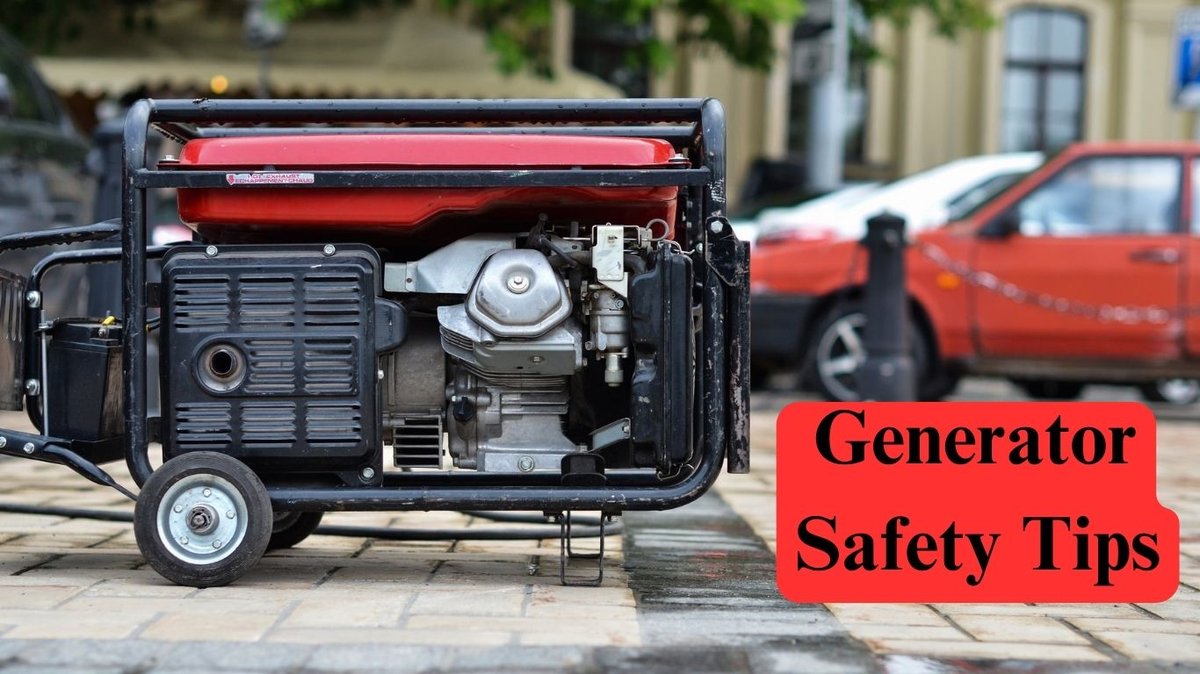
Power outages can strike without warning, turning a well-lit home into a dark, silent inconvenience – or worse, a genuine hardship. Whether you're safeguarding critical medical equipment, keeping your family warm, or simply preserving your refrigerated food, a reliable generator is a crucial investment. But owning one comes with a vital responsibility: understanding Northern Tool Generator Safety & Installation Best Practices. This isn't just about following instructions; it's about protecting your home, your family, and even utility workers.
Let's cut through the jargon and get straight to what you need to know to operate your generator safely, efficiently, and with confidence.
At a Glance: Your Generator Safety Essentials
- Location, Location, Location: Always operate generators outdoors, at least 20 feet from windows, doors, and vents. Carbon monoxide is deadly.
- Prevent Backfeed: If connecting to your home, always use a transfer switch installed by a qualified electrician and turn off the main breaker. Never plug a generator directly into a wall outlet.
- Read the Manual: Your generator's specific instructions are your primary safety guide.
- Proper Grounding: Ensure your generator is correctly grounded to prevent electrocution.
- Fuel Smart: Store fuel in approved containers, away from living areas, and never refuel a hot or running generator.
- Regular Maintenance: Keep your generator in top condition with routine checks, oil changes, and filter cleaning.
- Cold Weather Care: Prepare your generator for extreme temperatures to ensure reliable starts.
Why Generator Safety Matters: Your Lifeline in a Blackout
A generator isn't just a machine; it's a lifeline during emergencies. However, improper use can transform it from a savior into a serious hazard, risking carbon monoxide poisoning, electrocution, fire, and even damage to your electrical system. By adhering to best practices, you're not just complying with rules; you're actively ensuring the safety and well-being of everyone around you.
The Golden Rule: Understanding Carbon Monoxide (CO) — Your Silent Enemy
This is, without a doubt, the most critical safety warning for any generator owner. Carbon monoxide (CO) is an odorless, colorless gas produced by internal combustion engines, including your generator. It's impossible to detect without a specialized sensor, and exposure can be fatal.
Your Generator's Safe Zone:
Always position your generator outside in a well-ventilated area. The general rule is at least 20 feet (6 meters) from your home, as well as away from any windows, doors, or vents that could allow exhaust fumes to seep indoors. Never run a generator in a garage, even with the door open, or in a basement or crawl space. Even placing it directly outside a window is dangerous.
Many modern generators, especially portable models, come equipped with built-in carbon monoxide sensors that automatically shut down the unit if dangerous CO levels are detected. This is a crucial safety feature, but it's not a substitute for proper placement. Always consider additional safety layers by installing battery-operated CO alarms inside your home, particularly near sleeping areas. For a deeper dive into protecting your home, review essential carbon monoxide safety protocols.
Preventing Backfeed: Protecting Utility Workers and Your Neighbors
One of the most dangerous scenarios with a generator involves "backfeed." This occurs when electricity from your generator flows back into the utility power grid, potentially energizing power lines that utility workers believe are safely de-energized. The result can be severe injury or even death for those working to restore power.
The Solution: Transfer Switches and Professional Installation
If you plan to connect your portable generator directly into your home's electrical system, or if you're installing a home standby unit, a manual or automatic transfer switch is non-negotiable. This device physically isolates your home's electrical system from the utility grid before connecting to your generator, preventing backfeed.
- For Portable Generators: A manual transfer switch requires you to physically switch your home's power source from the utility to the generator. This always involves turning the main breaker to the 'OFF' position before starting the generator.
- For Home Standby Generators: These typically come with an automatic transfer switch (ATS) that senses a power outage and seamlessly switches your home's power source to the generator, then back to the utility once power is restored.
Never plug a generator directly into a wall outlet (this is often called "backfeeding" via a suicide cord). This is incredibly dangerous and illegal. Always consult a qualified electrician for any generator installation that involves connecting to your home's wiring. Additionally, it's good practice to notify your electric cooperative (like Northern Electric Cooperative) when you're using a generator during an outage. For more critical information, understanding electrical safety best practices for generators is paramount.
Choosing Your Power Partner: Types of Generators from Northern Tool
Northern Tool + Equipment offers a diverse range of generators, each suited for different needs and applications. Understanding the distinctions is key to both proper installation and safe operation. To begin your journey, you can Explore Northern Tool generators to see the full selection.
For a comprehensive overview of your options, it's helpful to understand the types of generators and their applications.
Portable Generators: Power On the Go
These are the go-to for temporary power during outages, powering tools on job sites, or providing electricity for camping.
- Key Characteristics: Portable generators typically range from 3,500 to 10,000 watts, with fuel tanks holding 3 to over 8 gallons, offering 6 to 10 hours of runtime on a full tank. They often run on unleaded gasoline, though some models support multiple fuel types.
- Safety & Installation:
- Placement: Strict adherence to the 20-foot outdoor rule is crucial.
- Fueling: Always refuel a cooled down generator. Gasoline is highly flammable; spills on a hot engine can ignite. Store fuel in approved, clearly labeled containers away from your living areas.
- Connections: Use heavy-duty, outdoor-rated extension cords that are properly sized for the appliance load. Inspect cords for damage before each use. Avoid overloading the generator.
- Features: Look for models with a built-in carbon monoxide sensor, a low oil sensor that shuts down the unit to prevent engine damage, and overload protection.
- Maintenance: Clean your generator daily if used frequently, or before each use if only occasionally. For a detailed guide on these units, consult portable generator essentials.
Inverter Generators: Quiet, Clean Power for Sensitive Electronics
Inverter generators are a modern marvel, offering superior performance, especially for electronics.
- Key Characteristics: These units produce a clean, regular sine wave and stable current, making them ideal for sensitive devices like laptops, smartphones, and medical equipment. They are significantly quieter (often 48-52dB vs. 65-77dB for standard portables), more compact, and fuel-efficient because they can adjust engine speed to the electricity load. Many can be parallel-connected to double their power output.
- Safety & Installation:
- Placement & Fueling: Follow all general safety guidelines for outdoor placement and safe fueling.
- Connections: Their clean power means you can safely connect sensitive electronics without a power conditioner.
- Benefits: Discover more about the many benefits of inverter generators and why they might be the right choice for your needs.
- Maintenance: Always follow the manufacturer's instruction manual. Check the oil level before each use. An oil change is typically needed after the first 20 hours, then every six months. Inspect the air filter after each use; clean it every 50 hours or three months, and replace if damaged.
Home Standby Generators: Automatic Peace of Mind
For ultimate convenience and protection, home standby generators offer automatic, seamless power during outages.
- Key Characteristics: These permanent installations are connected to your home's electrical system via an automatic transfer switch. They're typically fueled by natural gas or propane, eliminating the need for manual refueling during an outage. Common fuel options include diesel, propane, and natural gas, with many models supporting all three.
- Benefits: A standby generator ensures uninterrupted power for essential systems like well water, refrigeration, medical devices, sump pumps, and even electric vehicle charging. This prevents food spoilage, allows you to work from home, and keeps critical medical equipment running. For a full breakdown, explore a comprehensive guide to home standby generators.
- Safety & Installation:
- Professional Installation: Due to their permanent nature and connection to your home's fuel and electrical systems, home standby generators must be installed by licensed professionals (electricians and plumbers/gas fitters). This ensures compliance with all local codes and safety regulations.
- Placement: While still needing ample ventilation, standby generators have specific setback requirements from buildings, windows, and property lines dictated by local codes.
- Maintenance: Annually, check the battery condition and charge, inspect the fuel system for leaks and water intrusion, examine fuel and oil lines for leakage, and verify the engine oil level. Clean dirt and debris daily if used daily, or before each use if only occasional.
PTO Generators: Harnessing Tractor Power
Power Take-Off (PTO) generators leverage your tractor's engine as the power source, converting its mechanical energy into electricity.
- Key Characteristics: These are mobile power plants ideal for farms, ranches, or as robust backup for homes and businesses. A 40 HP engine can typically produce about 20 kW of power (roughly 1 kW per 2 HP).
- Benefits: If you already own a tractor, PTO generators offer lower initial and operational costs since you're utilizing an existing engine. They're also highly mobile, easily transported to various work sites.
- Safety & Installation:
- Read the Manual: Always thoroughly read the PTO generator's product manual for specific operating and safety instructions.
- Clearance: Keep body parts and clothing away from moving parts (PTO shaft, belts).
- Ventilation: Never operate in enclosed spaces due to carbon monoxide risk and obstructed airflow.
- Speed: Avoid excessively high drive speeds from the tractor.
- Fire Safety: Keep a fire extinguisher nearby, as with any machinery.
- Grounding: Ensure the PTO generator is properly grounded, especially when operating in damp conditions.
- Water: Avoid standing in water while operating or handling the generator.
Battery Generators: The Eco-Friendly, Silent Solution
Battery generators, also known as portable power stations, offer a clean, quiet, and emission-free power alternative.
- Key Characteristics: These units store energy in a battery and convert it to AC power. They are eco-friendly, produce no noise or toxic emissions, and consume no fossil fuels, making them safe for both indoor and outdoor use. They're significantly quieter (often 45dB or less), more efficient, and generally less expensive per watt over their lifespan. Recharging times vary, but many can reach 80% capacity in under 2 hours via a wall outlet. Some models support parallel connection for doubled power output.
- Benefits: Their silence and lack of fumes make them excellent for indoor backup, camping, or powering sensitive electronics without concern. They're typically easier to install (just plug and play) and often come with longer warranties.
- Safety & Installation:
- Charging: Monitor charging to prevent overcharging and extend battery life. Recharge when approximately one-quarter capacity is consumed.
- Connections: Ensure all connections are tight and free of corrosion.
- Dry Use: Keep the unit dry and avoid use in wet conditions unless specifically designed and protected. Never touch the generator with wet hands.
- Manufacturer Instructions: Always follow the manufacturer's specific instructions for charging, use, and storage.
Sizing Your Generator: Don't Underpower, Don't Overspend
Choosing the right size generator is a balancing act. Too small, and it won't power your essential items; too large, and you're wasting money on unnecessary capacity and fuel.
- For Portable Generators:
- List Essentials: Make a list of all appliances and devices you must run during an outage (lights, refrigerator, phone charger, TV, essential medical devices).
- Find Wattage: Look for the starting (surge) wattage and running (continuous) wattage for each item. Starting wattage is often higher for motor-driven appliances (like refrigerators).
- Total It Up: Sum the running wattages of all items you need to power simultaneously. Add the highest starting wattage of any single item to this sum (as only one item will usually start at a time). This gives you your minimum wattage requirement.
- For Home Standby Generators:
- Tally Essential Wattage: Sum the total wattage of all essential appliances in your home. (A typical US household uses around 1,214 watts per day, averaging 10,632 kWh/year).
- Convert to Kilowatts: Divide the total wattage by 1,000.
- Add Safety Margin: Multiply this kilowatt figure by 1.25. This 25% buffer accounts for future needs and prevents your generator from constantly running at maximum capacity.
- When in Doubt: Consult the Northern Tool + Equipment sales team or a qualified electrician for expert sizing advice. They can help you make an informed decision and how to choose the right generator for your specific needs.
Installation Best Practices: Setting Up for Success
Beyond the critical carbon monoxide and backfeed warnings, a few other installation best practices ensure optimal performance and safety.
- Grounding: All portable generators must be properly grounded to prevent electrical shock. This typically involves connecting a grounding wire from the generator to a grounding rod driven into the earth. Consult your manual for specific instructions.
- Fuel Storage: Store fuel in approved, airtight containers designed for flammables. Keep these containers in a cool, well-ventilated area, away from living spaces, heat sources, and direct sunlight.
- Electrical Connections: For portable generators, use only heavy-duty extension cords (12-gauge or thicker, depending on length and load) specifically rated for outdoor use. Inspect cords regularly for cuts, fraying, or exposed wiring. For standby generators, professional electrical installation is mandatory.
- Weather Protection: Never operate a generator uncovered in rain or snow. This poses a serious electrocution risk, especially if not properly grounded. Use a generator tent, canopy, or manufacturer-approved enclosure to protect the unit from the elements while maintaining critical airflow.
Generator Maintenance: Keeping Your Power Source Reliable
A generator is an investment that requires consistent care to remain reliable. Skipping maintenance is one of the most common reasons generators fail to start when needed most.
- Read Your Manual: This cannot be stressed enough. Your specific generator model will have a unique maintenance schedule.
- Oil Checks and Changes:
- Before Each Use: Check the oil level.
- First Use: Change the oil after the first 20-25 hours of operation to remove manufacturing debris.
- Regular Schedule: Typically, change oil every 50-100 hours of use or every six months, whichever comes first.
- Air Filter:
- Inspect: Check the air filter after each use for dirt and debris.
- Clean/Replace: Clean after the first 50 hours, then every three months. Use warm water and mild detergent, dry thoroughly, and re-oil if specified by the manufacturer. Replace damaged filters.
- Spark Plug: Inspect and clean the spark plug every 100 hours or annually. Replace if worn or fouled.
- Fuel System:
- Standby Generators: Annually check the fuel system for leakage and water intrusion, and inspect fuel lines.
- Portable Generators: If storing for longer than a month, add high-quality gas stabilizer and run the engine for 15 minutes to circulate it. Allow to cool, then run the generator until it's out of fuel to prevent carburetor clogs. If needed, siphon excess fuel.
- Battery:
- Standby Generators: Annually check battery condition and charge. Ensure connections are clean and tight. Replace batteries older than 3 years.
- Battery Generators: Monitor charging to prevent overcharging and extend service life. Recharge when capacity drops to about one-quarter.
- Cleanliness: Regularly clean dirt, dust, and debris from your generator's exterior, cooling fins, and air intakes.
- Troubleshooting Common Start Issues: Many startup failures stem from basic maintenance neglects. Common reasons include battery failure (loose connections, lead sulfate buildup), insufficient oil or fuel, a closed or clogged fuel valve, a clogged carburetor, a faulty spark plug, or unclean air filters.
For more in-depth guidance, make sure to read up on essential maintenance tips.
Operating Your Generator in Challenging Conditions
Generators are built to work hard, but extreme environments require special considerations.
Extreme Cold Weather Operation
Winter outages can be particularly harsh. Here's how to ensure your generator performs:
- Battery Health: Ensure your battery (for electric start models) is in good working order and no older than 3 years. Cold significantly reduces battery capacity.
- Fuel Stabilizer: Store fuel in moderate temperatures and consider using a fuel additive or stabilizer to prevent gelling or separation.
- Engine Warmth: For standby generators, an engine coolant heater can help keep the engine near 100°F (38°C) for easier starts.
- Weather Protection: Never operate a generator uncovered in snow or heavy rain. This poses an electrocution risk, especially if not properly grounded. Use a canopy structure or generator cover designed for operation to shield it from precipitation while allowing proper ventilation.
- Regular Servicing: Change plugs and filters every 200 hours of operation, especially in harsh conditions.
- Winter Storage: For long-term storage, add high-quality gas stabilizer, run the engine for 15 minutes, allow it to cool, then run it until it's out of fuel to prevent fuel system issues. Siphon any excess fuel if necessary.
For more advice on keeping your generator running when temperatures plummet, consult this guide on operating your generator in extreme cold.
Reducing Noise Pollution
Generator noise can be a significant concern, especially in residential areas or during camping.
- Inverter Advantage: Inverter generators are inherently much quieter than conventional models, often by 15-20 dB, making them a top choice if noise is a primary concern.
- Strategic Placement: Position the generator behind a shed or garage, using a long extension cord. Point the exhaust away from your house and neighboring properties.
- Sound Absorption: Place the generator on a sound-absorbing mat or rubber pad to reduce vibrations.
- Enclosures:
- Ventilated Enclosure: Consider building a DIY ventilated enclosure (e.g., a "zombie box") with proper baffling and airflow to dissipate heat and sound. Ensure it's large enough for air circulation and has multiple intake and exhaust vents.
- Acoustic Panels: Installing acoustic panels in a shed or dedicated generator enclosure (again, with proper ventilation) can significantly reduce noise.
- Muffler/Silencer: Replace a faulty muffler, or install an aftermarket generator silencer designed to dampen exhaust noise.
For comprehensive strategies to minimize the hum, check out tips for quieting your generator.
Pre-Use Checklist: Before You Start It Up
Every time you prepare to use your generator, take a moment for this quick safety check:
- Placement: Is it outdoors, at least 20 feet from your home, and away from all windows, doors, and vents?
- Fuel Level: Is there enough fuel? Is the fuel fresh?
- Oil Level: Is the oil level correct?
- Connections: Are all electrical cords in good condition, properly sized, and fully plugged in? Is it correctly grounded?
- Backfeed Prevention: If connected to your home, is the transfer switch engaged, and is the main breaker OFF (for manual systems)?
- Weather Protection: Is it protected from rain or snow with an approved canopy?
- Clearance: Are there any flammable materials, children, or pets too close to the unit?
- CO Alarms: Are your indoor carbon monoxide alarms working?
When in Doubt: Call a Pro
While this guide covers extensive best practices, your specific situation might have unique challenges. When dealing with electricity and fuel, there's no room for guesswork. If you have any doubts about installation, wiring, troubleshooting, or maintenance, always consult a qualified electrician or a certified generator technician. Northern Tool + Equipment's experts can also provide valuable guidance on their products.
Your Reliable Power Future Starts Now
Owning a generator from Northern Tool + Equipment is a powerful step toward preparedness and peace of mind. By diligently following these safety and installation best practices, you're not just ensuring your generator runs efficiently; you're safeguarding your home, your loved ones, and your community. Stay informed, stay prepared, and power on safely.