Generators aren't just convenient; they're often lifelines, providing essential power during outages or in remote locations. For many, a Northern Tool generator represents a reliable workhorse, ready to kick into action when needed most. But even the toughest machines demand a little care. Mastering Northern Tool Generator Maintenance & Accessories isn't just about keeping your machine running; it's about extending its life, ensuring peak performance, and safeguarding your investment. Think of it as preventative medicine for your power source – a small effort now can save you big headaches (and costs) later.
At a Glance: Your Generator Maintenance Checklist
- Why Bother? Regular maintenance prevents breakdowns, extends lifespan, ensures safety, and maintains warranty.
- Core Tasks: Oil changes, air filter checks, spark plug replacement, fuel stabilization, battery care.
- Essential Accessories: Fuel cans, transfer switches, covers, maintenance kits, carbon monoxide detectors, wheel kits.
- Seasonal Prep: Specific steps for pre-storage and pre-use readiness.
- Safety First: Always prioritize safe operation and proper accessory use.
- Northern Tool Advantage: Access to parts, accessories, and expert advice for specific models.
Beyond the Spark Plug: Why Generator Care Isn’t Optional
It’s easy to overlook your generator until the lights flicker. But waiting for a crisis to check your power backup is like waiting for your car to break down before getting an oil change – a recipe for inconvenience and potentially costly repairs. A generator, particularly one you rely on from a trusted source like Northern Tool, is a complex piece of machinery that thrives on consistent, proactive attention.
Neglecting your generator means risking a whole host of problems:
- Unexpected Failures: Your generator simply won't start when you need it most.
- Reduced Lifespan: Premature wear and tear on critical components.
- Inefficient Operation: Higher fuel consumption, reduced power output.
- Safety Hazards: Carbon monoxide leaks, electrical malfunctions, or fire risks from poorly maintained systems.
- Voided Warranty: Manufacturers often require documented maintenance to uphold warranty claims.
Your Northern Tool generator is built with durability in mind, but even the best engineering needs a partner in diligent ownership. Regular checks and the right accessories make all the difference, transforming a potential point of failure into a reliable source of power.
The Power Play: Essential Maintenance Practices for Your Generator
Think of generator maintenance in two main buckets: routine checks (before/after each use) and seasonal/annual deep dives. Each plays a crucial role in preventing issues and ensuring readiness.
Your Annual Generator Ritual: Pre-Season & Post-Season Checks
These are the big tasks that typically happen once or twice a year, depending on your usage patterns. They're critical for preventing common storage-related problems and preparing your unit for heavy-duty work.
- Fuel System Flush & Stabilizer: Keeping the Lifeline Clean
- The Problem: Stale fuel is the number one killer of small engines. Ethanol in gasoline can separate, attract water, and gum up carburetors, fuel lines, and injectors.
- The Fix: Before storing your generator for more than a month, run it until the fuel tank is empty. Alternatively, add a high-quality fuel stabilizer, run the generator for 5-10 minutes to circulate it, then shut it off. This protects the fuel system from corrosion and deposits.
- Northern Tool Tip: Northern Tool offers a variety of fuel stabilizers designed for small engines. Look for products specifically formulated to combat ethanol issues.
- Oil Changes: The Engine's Lifeblood
- The Problem: Engine oil lubricates moving parts, reduces friction, cools the engine, and cleans internal components. Over time, it breaks down, loses viscosity, and accumulates contaminants.
- The Fix: Change the oil according to your generator's manual – usually after the first 20-25 hours, then every 50-100 hours or at least once a year. Always use the oil type and weight recommended by the manufacturer.
- How-To:
- Run the generator for a few minutes to warm the oil, allowing it to drain more easily.
- Place a drain pan beneath the oil drain plug.
- Remove the drain plug and the oil fill cap.
- Allow all oil to drain. Reinstall the drain plug.
- Fill with new, recommended oil up to the "full" mark on the dipstick. Do not overfill.
- Dispose of used oil responsibly at an automotive service center or designated collection site.
- Air Filter Inspection: Breathing Room for Your Powerhouse
- The Problem: A dirty air filter restricts airflow, causing the engine to run rich (too much fuel, not enough air), leading to reduced power, increased fuel consumption, and carbon buildup.
- The Fix: Check the air filter frequently, especially if operating in dusty conditions. Clean or replace it as needed. Foam filters can often be washed and re-oiled, while paper filters generally need replacement.
- Northern Tool Tip: Filter replacement kits and individual filters are readily available. Always ensure you have the correct filter for your generator's make and model.
- Spark Plug Replacement: Igniting Reliability
- The Problem: A fouled, worn, or incorrectly gapped spark plug can cause misfires, hard starting, rough idling, and reduced fuel efficiency.
- The Fix: Inspect your spark plug annually or every 100 hours of operation. Look for carbon buildup, damage to the electrode, or excessive wear. Clean light deposits with a wire brush or replace it. Always gap a new plug to the manufacturer's specification.
- How-To:
- Disconnect the spark plug wire.
- Use a spark plug wrench to remove the old plug.
- Inspect the old plug for signs of engine issues (e.g., oily, black, white).
- Gap the new plug if necessary (use a feeler gauge).
- Install the new plug by hand to avoid cross-threading, then tighten with the wrench (don't overtighten).
- Reconnect the spark plug wire firmly.
- Battery Care: Ready for the Call
- The Problem: Generators with electric start rely on a battery, which can lose charge or corrode over time, especially during periods of inactivity.
- The Fix: Check battery terminals for corrosion and clean them with a wire brush if necessary. Ensure connections are tight. Keep the battery charged with a trickle charger or maintainer, especially during storage. Check electrolyte levels in serviceable batteries.
- Northern Tool Tip: Look for battery maintainers and brushes specifically designed for small engine batteries.
- Exhaust System Check: Safety First
- The Problem: Blockages or leaks in the exhaust system can reduce performance and, more critically, create dangerous carbon monoxide leaks.
- The Fix: Inspect the muffler, exhaust pipes, and connections for cracks, rust, or blockages (like insect nests). Ensure everything is securely fastened.
Routine Checks: Every Time You Run It (or Plan To)
These quick checks are essential for safe and effective operation whenever you use your generator.
- Fuel Levels: Always check before starting. Running out of fuel unexpectedly can cause surging and potential damage.
- Oil Levels: Use the dipstick to ensure the oil is between the "add" and "full" marks. Top off if needed.
- Visual Inspection: Quickly scan the generator for any loose wires, leaks (oil or fuel), unusual debris, or damage.
- Cleanliness: Wipe down the exterior to prevent dirt buildup from affecting cooling or causing wear.
Arming Your Arsenal: Must-Have Northern Tool Generator Accessories
Having the right accessories on hand is as important as the maintenance itself. Northern Tool offers a vast selection, ensuring you can find exactly what you need to optimize your generator's performance and safety. When you Explore Northern Tool generators, remember to stock up on these crucial companions.
Fuel & Storage Solutions: More Than Just a Can
Proper fuel handling is paramount for both generator health and personal safety.
- Fuel Stabilizers: As mentioned, these are non-negotiable for anyone storing gasoline for more than a month. They prevent fuel degradation, gumming, and corrosion. Opt for brands specifically formulated for small engines and ethanol protection.
- Approved Fuel Cans: Don't skimp here. OSHA-approved, heavy-duty fuel cans are designed to safely store and transport gasoline, minimizing spills and fire risks. Look for features like child-proof caps and automatic shut-off spouts.
- Fuel Transfer Pumps/Siphons: For larger generators, a hand pump or siphon can make refueling much easier and safer, reducing strain and spills compared to lifting heavy cans.
- Replacement Fuel Filters: Having an extra fuel filter on hand can be a lifesaver if your generator starts sputtering due to contaminated fuel.
Electrical Connections & Safety Gear: Powering Up Safely
Connecting your generator correctly and safely is crucial to prevent electrical hazards.
- Heavy-Duty Extension Cords: Invest in outdoor-rated, heavy-gauge extension cords (e.g., 10-gauge for higher wattage) appropriate for your generator's output and the appliances you'll run. Shorter cords are always better to minimize voltage drop. Avoid running cords under carpets or through doorways where they can be pinched or damaged.
- Adapter Cords: If your generator has a specific twist-lock outlet (like a 30A or 50A receptacle) and your essential appliances use standard household plugs, you'll need the correct adapter cord. Always ensure it's rated for the power it will carry.
- Transfer Switches (Manual or Automatic):
- Manual Transfer Switch: This is the safest way to connect your generator directly to your home's electrical panel. It allows you to select which circuits the generator powers and, crucially, prevents "back-feeding" electricity into the utility grid (which can be fatal for utility workers). Installation typically requires a licensed electrician.
- Automatic Transfer Switch (ATS): For whole-house standby generators, an ATS automatically detects power loss, starts the generator, and switches your home's power source. When utility power returns, it switches back and shuts down the generator.
- Why they matter: Transfer switches are paramount for safety and for legally connecting a generator to your home's wiring. Using a generator without one, by "back-feeding" into your main panel with a suicide cord, is extremely dangerous and illegal.
- Generator Covers: Protect your investment from the elements. A heavy-duty, weather-resistant cover will shield your generator from rain, snow, dust, and UV damage during storage.
- Carbon Monoxide Detectors: An absolute, non-negotiable must-have. Generators produce carbon monoxide (CO), an odorless, colorless, deadly gas. Place battery-operated CO detectors inside your home and other enclosed spaces where the generator exhaust could potentially enter. Never run a generator indoors or in an attached garage.
Maintenance Kits & Parts: Prepared for Anything
Having spare parts means less downtime when you need your generator most.
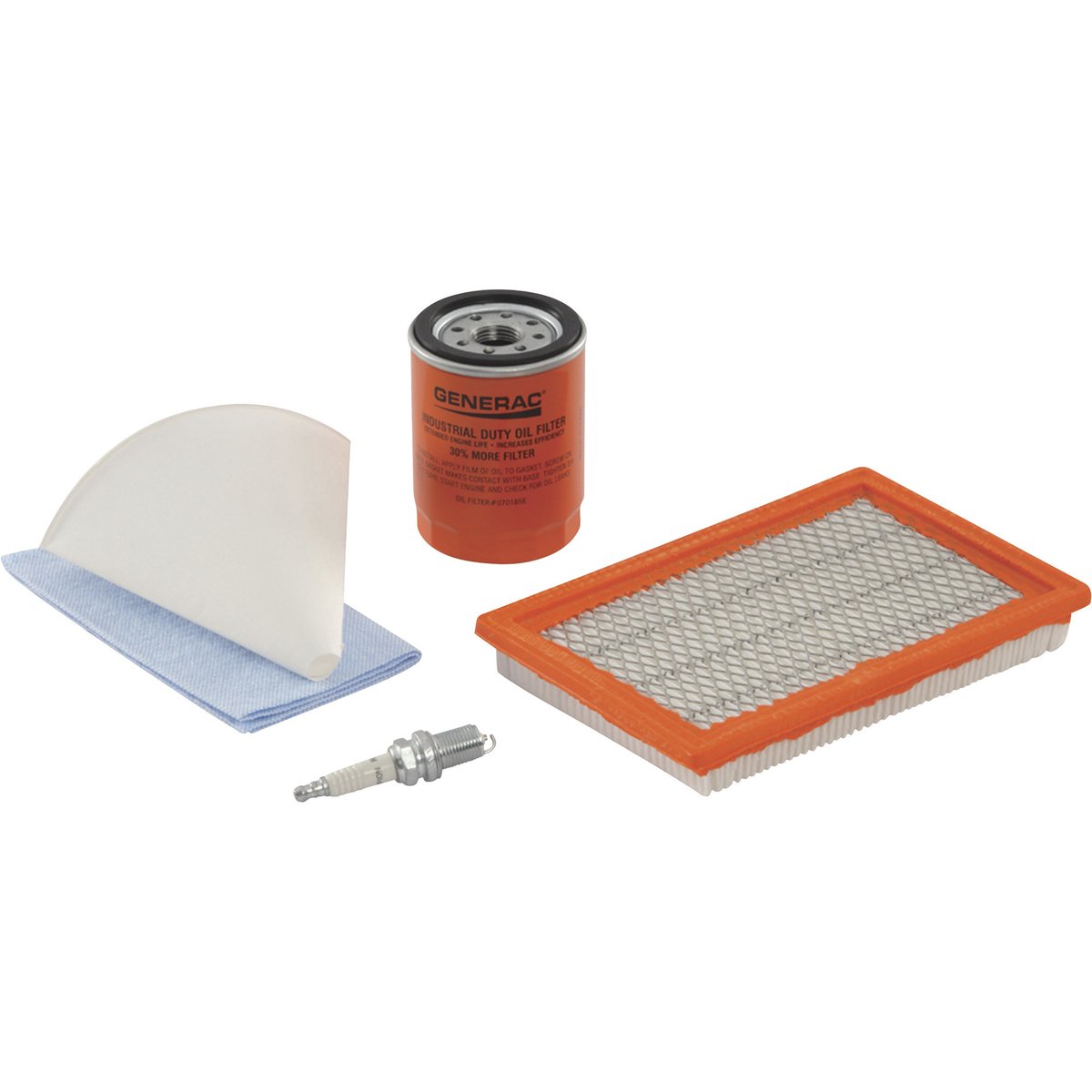
- Generator Tune-Up Kits: Many manufacturers (and Northern Tool as a retailer) offer convenient tune-up kits specific to generator models. These often include an air filter, spark plug, oil filter (if applicable), and sometimes a fuel filter – everything you need for a seasonal service.
- Individual Oil Filters & Air Filters: Even if you don't buy a full kit, having these common consumables on hand is smart.
- Spare Spark Plugs: A fresh spark plug can solve many starting or running issues.
- Battery Chargers & Tenders: To keep your electric-start battery primed, a smart charger or trickle charger is invaluable, especially during long storage periods.
- Oil & Funnel: Always have a fresh supply of the recommended oil type, plus a funnel specifically for small engines, to prevent spills.
Mobility & Security: Moving and Protecting Your Investment
- Wheel Kits & Handles: If your portable generator didn't come with them, a robust wheel kit makes moving heavy generators much easier and safer.
- Security Cables & Locks: Generators are valuable targets. Secure your unit to a stationary object with a heavy-duty cable and padlock, especially if leaving it unattended.
Choosing the Right Accessories: A Northern Tool Shopper's Guide
Walking into a Northern Tool store or browsing their website can be overwhelming with the sheer number of options. Here's how to make smart choices for your generator.
- Match to Your Generator Model: This is the golden rule. Filters, spark plugs, and even some covers are often specific to the make, model, and engine size of your generator. Always consult your generator's owner's manual for part numbers or specifications. Northern Tool's product descriptions often include compatibility lists.
- Quality Over Cost (for critical items): While it's tempting to save a few dollars, don't compromise on critical safety items like carbon monoxide detectors, heavy-duty cords, or approved fuel cans. The slight extra cost for quality here can be life-saving. For parts like filters, sticking to OEM (Original Equipment Manufacturer) or reputable aftermarket brands ensures optimal performance.
- Read Reviews and Ask Questions: Leverage the experience of other users. Product reviews on Northern Tool's website can provide valuable insights into durability, ease of use, and real-world performance. If in doubt, don't hesitate to ask store associates for guidance.
- Consider Your Use Case: Do you only use your generator for occasional home backup, or is it a primary power source for a remote cabin or worksite? Your usage frequency and environment will dictate how robust your accessories need to be. For instance, a job site might need extra-tough cords and a highly durable cover.
Common Generator Headaches & Quick Fixes
Even with the best maintenance, generators can occasionally throw a curveball. Here are some common issues and troubleshooting tips:
Why Won't My Generator Start?
This is perhaps the most frustrating problem. Here’s a checklist:
- Fuel: Is there fresh, stabilized fuel in the tank? Is the fuel valve open? Stale fuel is a common culprit.
- Oil Level: Many generators have a low-oil shutdown sensor. Check the oil level and add if necessary.
- Spark Plug: Is the spark plug wire connected? Is the plug clean and gapped correctly? Try cleaning or replacing it.
- Choke: Is the choke in the correct position for starting (usually "closed" or "start")? Move it to "run" once the engine fires.
- Kill Switch/Circuit Breakers: Is the engine's kill switch in the "run" position? Are the main circuit breakers on the generator tripped?
- Battery (Electric Start): Is the battery charged? Clean terminals if corroded.
- Air Filter: Is it clogged? A severely clogged filter can prevent starting.
My Generator Is Running Rough or Surging: What’s Happening?
- Stale Fuel/Carburetor Issues: Still the most common cause. Old fuel leaves deposits. Try adding a fuel system cleaner to fresh fuel, or if severe, the carburetor may need cleaning or rebuilding.
- Clogged Air Filter: Restricting airflow can make the engine struggle.
- Spark Plug Issues: Fouled or improperly gapped spark plugs.
- Overload: Is the generator overloaded? Check the wattage of connected appliances.
- Low Oil: Some generators may run erratically if oil is low.
Power Output Fluctuations: A Sign of Trouble?
- Overload: The most likely cause. Reduce the load to see if it stabilizes.
- Fuel Issues: Inconsistent fuel delivery can cause power surges or drops.
- Voltage Regulator: A faulty automatic voltage regulator (AVR) can cause voltage instability. This usually requires professional diagnosis.
- Dirty Carburetor: As above, inconsistent fuel mixture can cause erratic power.
Expert Tips for Extending Your Generator's Lifespan
Beyond basic maintenance, these practices will ensure your Northern Tool generator serves you reliably for years.
- Regular Exercise is Key: Don't let your generator sit idle for months. Start it up every 1-3 months, let it run for 15-20 minutes under a light load (e.g., a few lights, a fan), and ensure the fuel stabilizer is circulated. This keeps parts lubricated, battery charged, and fuel system clear.
- Cleanliness Matters, Inside and Out: Keep the generator exterior clean. Dust, dirt, and debris can clog cooling fins, leading to overheating. Regularly check for rodent nests in air intakes or exhaust.
- Smart Storage Savvy: When storing your generator for the long term (over a month), always run the fuel system dry or use a fuel stabilizer. Store it in a dry, protected area, covered to prevent dust and moisture. If it has an electric start, use a battery tender.
- Know When to Call a Pro: While much maintenance is DIY-friendly, some issues require expertise. If you're uncomfortable with a repair, suspect a major electrical fault, or can't diagnose a persistent problem, contact a qualified small engine mechanic. Northern Tool also offers repair services or can guide you to authorized service centers.
Making the Most of Your Northern Tool Generator Investment
Owning a generator from Northern Tool is about more than just the initial purchase; it's about investing in a reliable power solution backed by accessible parts and accessories. Their commitment to providing a wide array of generator accessories means you're never left scrambling for the right oil filter or extension cord. From specialized transfer switches to robust covers and maintenance kits, Northern Tool strives to be a one-stop-shop for everything you need to keep your power running smoothly.
By dedicating a little time to regular maintenance and equipping yourself with the right Northern Tool generator accessories, you’re not just maintaining a machine; you’re ensuring peace of mind. You’re securing your comfort, protecting your home, and guaranteeing that when the power goes out, yours will stay on. Take these steps seriously, and your generator will be a faithful guardian against the dark, ready whenever called upon.