Choosing the right power generator can feel like navigating a maze. With so many brands and retailers vying for your attention, understanding where each stands—especially when Comparing Northern Tool Generators vs. Competitors—is crucial. You're not just buying a machine; you're investing in reliability, whether for emergency backup, job site power, or off-grid adventures.
As a seasoned pro who’s seen countless power solutions come and go, I can tell you that Northern Tool + Equipment (NT+E) holds a unique position in the market. They're not just another big box store; they're specialists. But how do their generators stack up against the broader landscape? Let's cut through the noise and figure out which generator truly powers your needs.
At a Glance: Northern Tool Generators vs. the Field
- Northern Tool + Equipment (NT+E): Specializes in serious DIY, contractor, and light commercial use. Offers a strong mix of their own private-label brands (like NorthStar and Powerhorse) known for quality and value, alongside trusted national brands (Honda, Generac). Known for deeper inventory in heavy-duty and specialized equipment.
- Harbor Freight Tools: Competes aggressively on deep-discount pricing, primarily through its own private labels (e.g., Predator, Hercules). Ideal for budget-conscious buyers or occasional use, but quality can vary.
- Tractor Supply Company (TSC): Caters to rural and semi-rural markets, offering a convenient one-stop shop for farm maintenance and outdoor power. Stocks a blend of name-brand tools and farm equipment, with accessible local parts and service.
- Home Depot & Lowe's: Dominant home improvement retailers with vast market share. Offer a broad selection of major national generator brands (Generac, Ryobi, Champion, DeWalt), competitive financing, and sheer convenience. Generally cater to a wider, less specialized audience.
- Grainger & McMaster-Carr: Industrial and professional B2B suppliers. Focus on MRO (Maintenance, Repair, and Operations) supplies, offering industrial-grade equipment, specialized components, and fast delivery for commercial and institutional clients. Less direct competitors for typical consumer/contractor generators, but important for understanding the industrial end of the spectrum.
The Northern Tool Difference: Specialty, Quality, and Value
Northern Tool + Equipment carved out its niche by catering to the user who needs more than a basic tool. We're talking about serious DIYers, independent contractors, and small businesses that require robust, reliable equipment for demanding tasks. When it comes to generators, this translates into a curated selection designed to meet higher expectations.
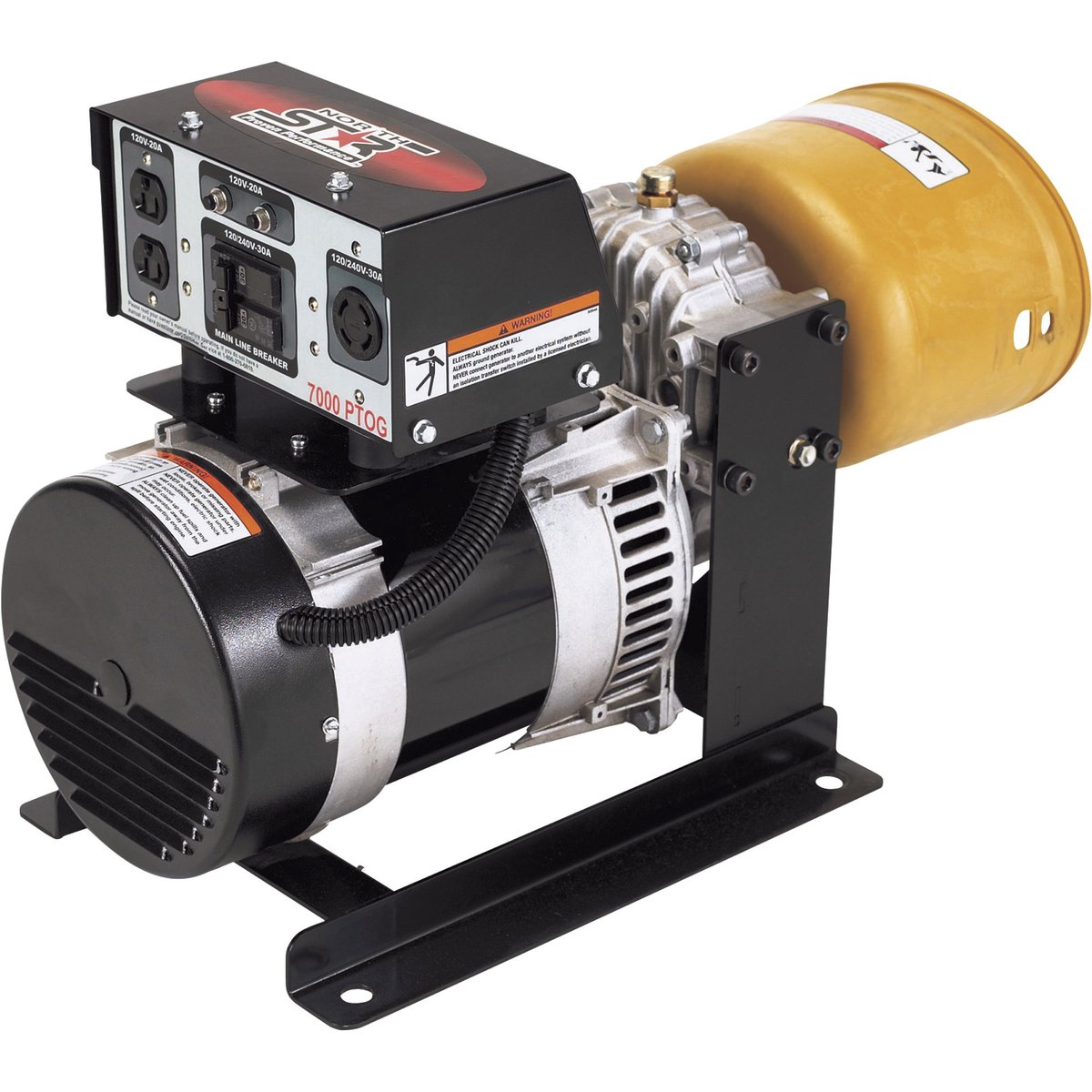
One of NT+E's biggest differentiators is its commitment to private-label brands. Take NorthStar generators, for instance. These aren't just rebranded generic units; NorthStar is NT+E's flagship brand, often designed and engineered to deliver superior performance and durability. You'll find NorthStar generators frequently chosen for critical applications where reliability is paramount, such as farm operations, construction sites, or robust home backup. They often feature higher-grade components, more robust frames, and engines optimized for longevity under strenuous conditions.
Then there's Powerhorse, another NT+E private label, which often strikes an excellent balance between performance and affordability. Powerhorse generators are designed to offer strong value for the features and power output they provide, making them a popular choice for users who need reliable power without breaking the bank.
Beyond their own brands, Northern Tool also stocks industry-leading national names like Honda and Generac. This blend ensures that whether you're loyal to a specific brand or looking for NT+E's own engineered solutions, you have high-quality options. This strategic mix positions NT+E as a destination for durable power solutions, particularly if your needs extend beyond simple casual use. You can even Explore Northern Tool generators to see the range of options they offer directly.
Deep Dive: Northern Tool's Generator Competitors
Understanding Northern Tool's place in the market requires a closer look at the other players. Each competitor targets a slightly different customer with a distinct value proposition.
Direct Retail Stores Specializing in Tools and Equipment
These retailers are probably your most direct comparisons when you're physically shopping around or browsing online for a generator.
Harbor Freight Tools: The Value King
Harbor Freight has built an empire on deep-discount pricing. With over 1,600 locations, they’re practically everywhere, offering convenience and rock-bottom prices. Their generator lineup, often under the Predator brand, appeals to the budget-conscious consumer or someone needing a generator for occasional, lighter-duty tasks.
- Pros: Unbeatable prices, wide availability, frequent sales.
- Cons: Quality can be inconsistent; primarily private labels mean less brand-name choice and sometimes limited parts availability long-term. While they've introduced "Better" and "Best" tiers with brands like Hercules and ICON, these are still relatively new and largely untested over decades compared to established names.
- Best for: Light-duty home backup, occasional recreational use, or buyers on a strict budget who prioritize upfront cost over long-term durability or premium features.
Tractor Supply Company (TSC): The Rural Lifestyle Hub
With over 2,200 stores, TSC is a staple in rural and semi-rural communities. Their focus on the "rural lifestyle" means their generator selection is often geared towards farm maintenance, outdoor projects, and basic home backup. You'll find a mix of well-known national brands and brands tailored to their agricultural customer base. - Pros: Convenient one-stop shop for diverse rural needs (feed, fencing, tools, generators), accessible local parts and service, knowledgeable staff about farm/outdoor equipment.
- Cons: Generator selection might be less specialized or extensive compared to NT+E or dedicated tool stores, pricing is generally mid-range.
- Best for: Farmers, homesteaders, or rural homeowners seeking convenience and equipment that fits their specific lifestyle, with an emphasis on local support.
Large Scale Home Improvement Retailers
These are the giants of retail, offering a vast array of products under one roof. Their generator selection is broad, but their specialty depth can vary.
Home Depot and Lowe’s: The Generalists with Reach
These retailers are ubiquitous, offering immense market share and extensive store networks. They carry a robust selection of generators from major manufacturers like Generac, Champion, Ryobi, and DeWalt. Their primary appeal is convenience, wide brand choice, and often competitive financing options.
- Pros: Extensive selection of national brands, competitive pricing (especially during sales), easy returns, convenient locations, financing options.
- Cons: While they offer many generators, the depth in heavy-duty or specialized commercial-grade units might be less than NT+E. Staff expertise on complex generator features can be hit-or-miss.
- Best for: General home backup, light contractor use, or those who prioritize convenience and a broad selection of well-known consumer brands.
Professional and Industrial Supply Houses
These players operate on a fundamentally different model, primarily serving businesses and institutions. While they might carry generators, their core offering is far more specialized.
Grainger and McMaster-Carr: The Industrial Workhorses
Grainger and McMaster-Carr operate on a B2B model, focusing on Maintenance, Repair, and Operations (MRO) supplies. They offer incredible depth in specific technical niches, industrial-grade components, and next-day delivery for businesses. Their "generators" often lean towards heavy-duty industrial power sources, commercial standby units, or specialized power conditioning equipment rather than the portable or home backup units you’d find at NT+E.
- Pros: Unparalleled depth in industrial-grade components, high-precision tools, and bulk consumables; exceptional efficiency and delivery for businesses; industrial-grade quality.
- Cons: Primarily B2B focus, pricing reflects industrial quality and service, often overkill for light commercial or consumer needs, very limited physical retail presence.
- Best for: Manufacturing facilities, large institutions, or operations requiring high-precision, industry-specific, or enterprise-level power solutions. For most consumer or even light commercial generator purchases, these aren't direct competitors to Northern Tool.
Head-to-Head: Northern Tool Generators vs. the Field
Let's break down the key factors that differentiate Northern Tool from its primary competitors when you're looking for a generator.
Price vs. Value
- Northern Tool: Sits in a sweet spot. Their private labels like Powerhorse offer excellent value for performance, while NorthStar provides premium quality without the often higher price tag of equivalent national brands. You're paying for robust engineering and often higher-grade components.
- Harbor Freight: Dominates on upfront price. If budget is your absolute top concern and your usage is infrequent, Harbor Freight generators are tough to beat. However, consider potential long-term durability and parts availability.
- Home Depot/Lowe's: Offer competitive pricing on national brands, often with aggressive sales and financing. You might find a good deal, but the "value" equation can vary depending on the specific brand and model.
- Tractor Supply Co.: Mid-range pricing, often reflecting the convenience and local support offered. Value here comes from the holistic experience of buying within a community-focused store.
Quality & Brand Selection
- Northern Tool: A strong point. NT+E offers a blend of their own well-regarded private labels (NorthStar, Powerhorse) and top-tier national brands (Honda, Generac). This gives you the choice between their engineered solutions and established market leaders, all generally selected for reliability.
- Harbor Freight: Almost exclusively private labels (Predator, Hercules). Quality can be a gamble, though some users report satisfaction for their price point. Less variety in terms of established generator brands.
- Home Depot/Lowe's: Excellent selection of major national brands. If you have specific brand loyalty (e.g., to Generac or Champion), these stores are likely to have a model you're looking for.
- Tractor Supply Co.: Offers reputable national and farm-oriented brands. The focus is on practical, durable equipment for rural use rather than bleeding-edge technology or the broadest possible selection.
Specialization & Depth
- Northern Tool: This is where NT+E truly shines. They offer greater depth in heavy-duty shop equipment, specialized hydraulics, and larger commercial-grade machinery, including generators. If you need a generator with specific features for welding, a robust PTO generator for farm equipment, or a heavy-duty portable unit for a demanding job site, NT+E's catalog is more targeted and in-depth.
- Home Depot/Lowe's: While they have many generators, their selection is typically geared towards general home backup and construction trades. You might not find the niche, heavy-duty, or specialized features that NT+E offers.
- Grainger/McMaster-Carr: Offer unparalleled depth, but it's in industrial-grade, often fixed or highly specialized MRO power solutions that rarely overlap with the portable or home backup market NT+E serves.
Customer Support & Parts Availability
- Northern Tool: Known for knowledgeable staff who understand tools and equipment. For their private brands, they have a direct line to parts and service, which can be a significant advantage. Warranty support is generally clear and directly handled.
- Harbor Freight: Customer service can vary by location. For private-label brands, parts availability can sometimes be a challenge over the long term once models are discontinued.
- Home Depot/Lowe's: Generally good return policies, but in-depth technical support for complex generator issues might be limited to what the manufacturer provides. Parts availability typically relies on the brand's network.
- Tractor Supply Co.: Benefits from a strong community presence. Local staff often have practical experience, and local parts availability for common farm equipment (including generators) is a key selling point.
Making Your Choice: Key Factors to Consider
With a clearer picture of the landscape, let's nail down what truly matters when picking your generator.
1. Your Specific Power Needs (Wattage, Fuel Type, Features)
- Wattage: This is non-negotiable. List every appliance and tool you plan to run simultaneously. Distinguish between running watts (continuous power) and starting watts (peak power needed to kick-start motors). Don't just guess; calculate. Running a 1500W skill saw and a 1000W refrigerator simultaneously requires at least 2500 running watts, plus starting watts for both.
- Fuel Type:
- Gasoline: Most common, widely available, but less stable for long-term storage.
- Propane (LPG): Cleaner-burning, stores indefinitely, but less energy-dense (you need more propane than gas for the same run time).
- Diesel: Excellent fuel efficiency, long run times, durable engines, but higher initial cost and more complex maintenance.
- Dual Fuel/Tri Fuel: Offers versatility, allowing you to switch between gasoline and propane, or even natural gas, which can be incredibly useful during extended outages or for flexible use.
- Features: Do you need electric start, a remote start key fob, automatic transfer switch capability, GFCI outlets, a fuel gauge, or an hour meter? Inverter technology for clean power (essential for sensitive electronics)?
2. Budget & Long-Term Value
Beyond the sticker price, consider the total cost of ownership. This includes fuel efficiency, maintenance requirements, and the expected lifespan of the unit. A cheaper generator might cost you more in the long run through higher fuel consumption or frequent repairs. Northern Tool's NorthStar brand, for example, often presents strong long-term value due to its durability.
3. Intended Use (Emergency, Job Site, RV, Home Backup)
- Emergency Home Backup: You'll likely want enough power for essential circuits, a reliable starting mechanism, and potentially a transfer switch. Noise level might be a concern if it's running close to your home.
- Job Site: Durability, robust frame, reliable engine, GFCI outlets, and sufficient power for multiple tools are key. Portability and wheel kits are often essential.
- RV/Camping: Inverter generators are preferred for their quiet operation and clean power for electronics. Weight and size are crucial.
- Recreational/Tailgating: Smaller, portable, and quiet inverter generators are ideal for these uses.
4. Brand Loyalty & Warranty
If you've had good experiences with a particular brand, that's a powerful motivator. Always research the warranty terms—what's covered, for how long, and what voids it. Northern Tool's direct relationship with its private labels can simplify warranty claims.
5. Service & Parts Availability
Can you easily get it serviced? Are replacement parts readily available years down the road? This is where local retailers like Tractor Supply and specialty stores like NT+E (especially for their own brands) can offer an advantage over some deep-discount options.
6. Noise Level
Measured in decibels (dB). Conventional open-frame generators are loud (70-80 dB, like a vacuum cleaner). Inverter generators are significantly quieter (50-65 dB, like a normal conversation), making them better for camping, RVs, or residential use.
7. Portability vs. Stationary
Will you be moving it often, or will it be a semi-permanent installation? Consider weight, handle designs, and wheel kits. Larger home backup generators are often stationary, requiring professional installation.
Common Generator Questions & Misconceptions
Let's clear up some frequently asked questions that come up time and again.
Inverter vs. Conventional Generator: What's the Real Difference?
Conventional generators produce power directly from the engine's rotation, resulting in "dirty" power (fluctuations in voltage and frequency). Inverter generators convert that raw power into DC, then back to AC using an inverter. This process creates "clean" sine wave power, which is stable and safe for sensitive electronics like laptops, TVs, and medical equipment. Inverters are also typically much quieter and more fuel-efficient as they can throttle engine speed based on demand.
How Do I Calculate the Right Wattage for My Needs?
- List Appliances: Make a list of everything you might want to power simultaneously.
- Find Running Watts: Look for the running watts (or "rated watts") on the appliance label or owner's manual.
- Find Starting Watts: Identify appliances with electric motors (refrigerators, AC units, power tools). These have a momentary surge, or "starting watts," typically 2-3 times their running watts. You only need to account for the highest starting wattage item you might start while others are running.
- Add It Up: Sum the running watts of all devices. Add the highest starting watts of one motor-driven appliance to this sum. This gives you a good estimate for your required generator size.
Can I Run a Generator Indoors?
ABSOLUTELY NOT. Never, under any circumstances, run a portable generator indoors, in a garage, carport, shed, or any partially enclosed space. Generators produce carbon monoxide (CO), an odorless, colorless, and deadly gas. Always operate generators outdoors, at least 20 feet from any building, with the exhaust directed away from windows and doors. Install CO detectors in your home.
What are "Dirty" vs. "Clean" Power, and Why Does it Matter?
"Dirty" power refers to electricity with inconsistent voltage and frequency. This is typical of conventional generators. "Clean" power (like from an inverter generator or utility grid) has a stable, consistent sine wave. Sensitive electronics (computers, smart TVs, modern refrigerators) are vulnerable to dirty power and can be damaged or malfunction. For basic tools and lights, dirty power is usually fine.
How Long Can a Generator Run Continuously?
Most portable generators are designed for intermittent use and typically have a recommended maximum continuous run time, often 8-12 hours, before needing a break for cooling and refueling. Running them constantly for days on end without proper breaks can lead to overheating and premature wear. Always consult your owner's manual.
What's a Transfer Switch, and Do I Need One?
A transfer switch safely connects your generator to your home's electrical system, allowing you to power specific circuits directly from the generator. This eliminates the need for extension cords and prevents backfeeding electricity onto utility lines, which can be dangerous for utility workers. For home backup, a manual or automatic transfer switch is highly recommended for safety and convenience. Never backfeed power by plugging a generator directly into a wall outlet.
Beyond the Purchase: Getting the Most from Your Generator
Buying a generator is just the first step. Proper care ensures it's ready when you need it most.
- Read the Manual: Seriously, it's your best guide for specific maintenance, safety, and operational procedures.
- Regular Maintenance: Check oil levels, spark plugs, air filters, and fuel filters regularly. Change oil per manufacturer recommendations.
- Fuel Management: Use fresh fuel. For gasoline generators, consider a fuel stabilizer if you won't be using it frequently, or run the carburetor dry before long-term storage to prevent gumming. Propane stores indefinitely, which is a big advantage.
- Exercise Regularly: Start your generator and let it run under a light load for 20-30 minutes every month or two. This keeps components lubricated, prevents fuel from stagnating, and ensures it starts reliably when an emergency hits.
- Safety First: Always follow safety guidelines for ventilation, grounding, and handling fuel. Invest in a fire extinguisher and ensure everyone knows how to operate it safely.
Powering Your World, Your Way
When it comes down to Comparing Northern Tool Generators vs. Competitors, it’s clear Northern Tool + Equipment carves out a distinct and valuable position. They aren't trying to be the cheapest or the broadest generalist. Instead, they focus on providing robust, reliable power solutions for those who demand more than the average, whether through their durable private labels like NorthStar and Powerhorse, or their carefully selected national brands.
If your power needs lean towards serious DIY projects, contracting work, light commercial operations, or robust home backup where durability and performance matter, NT+E offers a compelling proposition. You're buying from a specialist who understands the demands of the equipment, often with better insights into the long-term value and support for their own manufactured lines.
Ultimately, your best choice hinges on a clear understanding of your specific needs, your budget, and what you value most in terms of quality, convenience, and long-term support. Weigh these factors carefully, and you’ll find the generator that keeps your lights on and your projects moving forward. For a deeper look, consider checking out the range of options available.