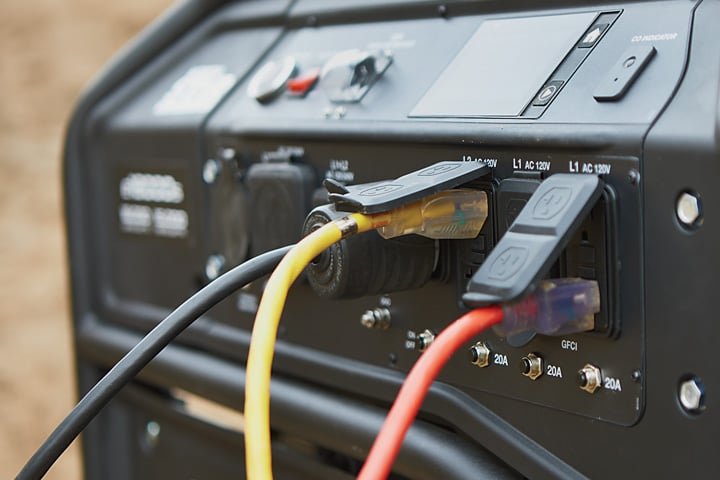
When the lights go out, the job site loses power, or your remote cabin needs a reliable energy source, a generator isn't just a convenience—it's a lifeline. But with so many options available, figuring out which one is right for you can feel like a complex puzzle. That's why we've put together this comprehensive Buying Guide: How to Choose a Northern Tool Generator, designed to cut through the jargon and empower you with the knowledge to make a confident decision.
Think of us as your seasoned guide, helping you navigate the world of portable power. We'll explore everything from the subtle hum of an inverter generator to the robust roar of a standby system, ensuring you pick a generator that perfectly matches your needs, budget, and peace of mind.
At a Glance: Your Generator Checklist
- Assess Your Needs: Emergency backup, job site power, RV camping, or whole-house automatic power?
- Calculate Your Watts: List everything you need to run, noting both "running watts" and "starting (surge) watts."
- Choose Your Type: Portable, Inverter, Home Standby, Commercial, PTO, or a Power Station?
- Pick Your Fuel: Gasoline, Propane, Natural Gas, Diesel, or Battery? Each has pros and cons.
- Consider Key Features: Noise level, run time, portability, start type, and crucial engine specs.
- Safety First: Always operate outdoors, use transfer switches, and have CO alarms.
Powering Up: Why a Generator is More Than Just a Box
Generators are the ultimate problem-solvers when grid power isn't available or reliable. They offer dependable power for remote cabins, keep critical appliances running during unexpected outages, or supply essential energy for worksites far from an electrical hookup. From keeping your food from spoiling to ensuring your tools have the juice they need, a generator brings peace of mind and productivity wherever you need it.
The Right Power Play: Decoding Generator Types
Not all generators are created equal. Matching the right type to your specific situation is the first, and arguably most important, step in this buying journey.
Portable Generators: Your Go-To for Emergency & Remote Power
These are the workhorses for most homeowners and contractors. Economical and versatile, portable generators are ideal for emergency power during outages, typically recommending at least 4000 Watts to cover essential appliances. They're also perfect for remote settings or construction sites lacking existing electrical service.
You'll connect them either via extension cords or, for home use, a safer, electrician-installed power transfer switch (crucial for preventing dangerous "back feed" into the utility grid). Fuel types commonly include gasoline, diesel, and even multi-fuel options that can run on gasoline, propane, or natural gas. Look for features like engine idle control (saves fuel and reduces noise), GFCI receptacles for safety, and 120V full power switches for flexibility.
Home Standby Systems: Automatic Power, Seamless Protection
Imagine this: the power goes out, and within about 20 seconds, your lights flicker back on, automatically. That's the magic of a home standby system. These units are designed to kick in automatically, running until utility power is fully restored, whether you're home or away.
Installed permanently outside your house, they connect to your main electrical panel via an automatic transfer switch (always required and sold separately). Standby generators can power your entire home (some units exceed 40,000 Watts) or just selected critical circuits like your refrigerator, sump pump, furnace fan, and lights. They primarily run on natural gas (connecting directly to your home's line for an unlimited supply) or LP gas, with diesel as another robust option.
Commercial Standby Generators: Business Continuity, Large-Scale Needs
For businesses that simply cannot afford downtime, or for large properties without existing electrical service, commercial standby generators are non-negotiable. These are typically stationary, heavy-duty units engineered for continuous operation. They can generate single-phase power (120V) or three-phase power (120V, 240V, or 480V) for industrial equipment. Often powered by water-cooled diesel engines, their capacities can soar up to 200 KW (200,000 Watts). Paired with an automatic transfer switch, they ensure large commercial or industrial operations remain uninterrupted.
PTO and Belt-Drive Generators: Harnessing Existing Power
If you already own a tractor or heavy construction equipment, a PTO (Power Take-Off) or belt-drive generator might be a cost-effective solution. These units create power by attaching directly to your equipment's PTO shaft or engine. Belt-driven generator heads, for instance, utilize existing gas engines, making them less expensive since you're not paying for a dedicated engine. It's an efficient way to leverage your current machinery for electrical generation.
Inverter Generators: Quiet Power, Sensitive Electronics
Inverter generators represent a leap in portable power technology. They use advanced electronics to produce a very high-quality, stable power output (low Total Harmonic Distortion), making them perfectly safe for sensitive electronics like laptops, smartphones, and TVs. They're also remarkably portable and fuel-efficient.
- SUPER QUIET Models: These are the pinnacle of quiet operation, often featuring CO SECURE™ TECHNOLOGY. This vital safety feature automatically shuts down the generator if harmful levels of carbon monoxide are detected, adding a layer of protection for you and your family.
- Open-Frame Inverters: A more budget-friendly option, these are quieter than traditional generators but a bit louder than their "SUPER QUIET" siblings. They strike a good balance, making them suitable for home backup and various job site applications where quietness is a preference, not an absolute necessity.
Traditional Generators: Raw Power, Robust Reliability
Traditional generators are the tried-and-true workhorses known for their reliability, durability, and high power output. They're a solid choice for residential backup and commercial job site power where you need serious wattage for power tools and appliances. Generally more affordable than inverter generators, they do come with a trade-off: they're typically louder and less fuel-efficient. Crucially, their power output usually has higher Total Harmonic Distortion, meaning they should not be used with sensitive electronics.
Battery-Powered Portable Power Stations: Clean, Quiet Energy Storage
Think of these not as power generators, but as large, portable batteries that store power. Measured in Watt-hours (Wh), they're fantastic for powering portable electronics, small appliances, and camping gear. You charge them via a standard wall outlet or solar panels, making them incredibly versatile. They're quiet, clean, and offer a variety of outlets including USB, AC, and 12V DC, making them ideal for off-grid adventures or a quiet power source during short outages.
Calculating Your Watts: The Heart of Generator Sizing
This is where the rubber meets the road. Choosing the right size generator means understanding your power demands. You don't want to buy too small and constantly trip breakers, nor too large and waste money on unused capacity.
1. Running Watts: Your Continuous Power Demand
Start by listing every tool, appliance, and motor you plan to run simultaneously. Find their continuous wattage (often labeled "running watts"). Add these figures together. Your generator's RUNNING wattage rating must meet or exceed this total.
2. Starting Watts (Surge Watts): The Initial Jolt
Appliances with electric motors (refrigerators, air conditioners, power tools) require a significant burst of extra power at startup—sometimes double or triple their normal running wattage. This is called "starting watts" or "surge watts." While you won't typically start everything at once, your generator needs enough additional capacity to handle these peak demands as items cycle on.
3. Voltage Matters: 120V vs. 240V
Most common home appliances and power tools operate on 120 Volts. However, larger appliances like electric stoves, clothes dryers, and some well pumps require 240 Volts. Always check your appliance's voltage requirements. Remember the basic electrical formula: Amps x Volts = Watts.
Real-World Wattage Examples
To give you a better idea of what various items demand, here are some common examples:
- Refrigerator: ~700W running / 2200W surge
- Central Air Conditioner (2200 sq. ft.): ~10,000W running / 11,250W surge
- 10-inch Table Saw: ~1800W running / 4500W surge
- Sump Pump: ~800W running / 1600W surge
- Microwave: ~1000W running
- Laptop: ~50-100W running
- LED Lights (per room): ~50-100W running
Home Standby Power Needs: Minimum Recommendations
For home standby systems, here's a rough guide for covering essential circuits:
- Basic Needs (lights, TV, furnace, freezer, refrigerator, sump pump): Consider a minimum of 6.6 kW (6,600 Watts).
- Adding Central Air or a Well Pump: Your needs increase significantly, often requiring 10.5 kW (10,500 Watts) or more.
- All of the above (lights, TV, furnace, freezer, refrigerator, sump pump, central air, well pump): A 13.5 kW (13,500 Watts) system is generally recommended.
When in doubt, remember the adage: "Bigger is better." Having a little extra capacity is always preferable to being underpowered.
Beyond Watts: Key Specifications and Features to Prioritize
Once you've narrowed down the type and size of generator, it's time to dive into the specifics that differentiate models and enhance your experience.
Watt-hour (Wh) Capacity for Power Stations
For battery-powered portable power stations, you'll be looking at Watt-hour (Wh) capacity, which tells you how much energy the battery can store (e.g., 290Wh for a JACKERY Explorer 400). Also check "peak output," which is the maximum surge wattage the power station can provide for a short period.
Outlets: Enough for All Your Devices?
Take stock of how many and what types of outlets you'll need. Standard 120V receptacles are common, but if you have larger 240V appliances, ensure the generator has a compatible twist-lock or other specialized outlet. Don't forget USB ports for charging smaller electronics if that's a priority.
Noise Level (dBA): How Quiet Do You Need It?
Generator noise is measured in decibels (dBA). For context, normal conversation is around 60 dBA. Anything over 90 dBA can cause hearing damage with prolonged exposure. If your generator will be close to your home, a campsite, or a quiet neighborhood, noise level is a major factor. As noted earlier, SUPER QUIET inverter generators are the quietest option, making them ideal for noise-sensitive environments.
Fuel Type Face-Off: Which Powers Your Needs?
Your fuel choice impacts convenience, run time, and storage.
- Gasoline: Most common and portable, but has a relatively short shelf life (about 3-6 months without stabilizer).
- Propane (LP Gas): Boasts a long shelf life, burns clean, and can be easily stored in tanks, making it a reliable option during extended outages.
- Natural Gas: If connected to your home's gas line, it offers an unlimited, clean-burning supply that's always available, even during outages.
- Diesel: Known for being the least flammable of liquid fuels and readily available in many areas, offering robust performance.
- Battery: The quietest and cleanest option, offering instant power and often compatible with solar charging for renewable top-ups.
Fuel Tank Size & Run Time: How Long Will It Last?
A generator's run time varies significantly with its fuel tank size and the load it's carrying. Generally, a 5-gallon tank or larger can run for 7-10 hours at a half-load. Remember, the higher the load (more appliances running), the shorter the run time.
Portability: Can You Move It?
If you plan to move your generator frequently—whether it's around a job site or for camping trips—portability is key. For units over 100 lbs., look for models with built-in wheels and sturdy handles.
Start Type: Recoil vs. Electric
- Recoil Start: The traditional manual pull cord. Reliable, but can be physically demanding, especially in cold weather.
- Electric Start: A convenient push-button start, much like a car. It requires a 12V battery, which might need separate purchase and maintenance.
Engine & Alternator Deep Dive: Quality You Can Trust
The engine and alternator are the heart and soul of your generator. Investing in quality components here ensures reliability, longevity, and cleaner power. Many trusted brands are available when you Explore Northern Tool generators.
Brand Name Recognition
Look for reputable engine brands known for their durability and performance, such as Honda, Briggs & Stratton, Generac, Cummins, and NorthStar.
OHV (Overhead Valve) Engine
An OHV engine design generally offers easier starting, quieter operation, longer lifespan, and lower emissions compared to older side-valve designs.
Cast Iron Sleeve
An engine cylinder with a cast iron sleeve significantly reduces wear and tear, extending the overall life of the engine.
Low Oil Shutdown
A crucial safety feature, low oil shutdown automatically turns off the engine if the oil level drops to an unsafe point, preventing costly damage, especially important for generators with large fuel tanks that might run for extended periods.
Full Power Switch
Some generators offer a full power switch, allowing you to switch off 240V output to direct all available power to 120V receptacles, giving you more flexibility.
Idle Control
This smart feature automatically throttles the engine down to a lower RPM when no power is being drawn, significantly reducing fuel consumption, wear, and noise.
Hour Meter
An hour meter tracks the engine's total run time, making it easy to keep up with crucial maintenance schedules like oil changes and filter replacements.
All-Metal Alternator
An all-metal alternator housing is more durable and prevents warping and misalignment that can occur with plastic housings, contributing to a longer lifespan.
Total Harmonic Distortion (THD)
THD measures the quality and stability of the electricity produced. For sensitive electronics (laptops, medical equipment), you want a generator with low THD, ideally less than 6%. Traditional generators can often produce >15% THD, which can damage delicate circuits. Inverter generators excel here, consistently delivering "clean" power.
Brushless Alternator Design
A brushless alternator generally requires less maintenance and often produces cleaner power compared to brushed designs.
Ball Bearing Alternator
Alternators with ball bearings typically last longer and operate more smoothly than those using needle bearings.
Safe Power, Smart Practices: Essential Generator Safety
Generator safety is paramount. Misuse can lead to carbon monoxide poisoning, electrocution, or fire. Always follow these critical guidelines.
Never Backfeed: The Transfer Switch Rule
NEVER, ever connect a generator directly to your home's circuits or wiring without an electrician-installed transfer switch. This prevents dangerous "back feed," which can send electricity back into the utility lines, electrocuting utility workers or damaging your home's wiring.
Outdoor Use ONLY: Carbon Monoxide is a Silent Killer
ALWAYS operate generators outdoors in a well-ventilated area. Carbon monoxide (CO) gas is odorless, colorless, and deadly. NEVER run a generator indoors, in a garage, basement, or any enclosed space. Many modern generators now include automatic CO shutdown features for added safety.
Fueling Safely
NEVER add fuel while the generator is running or hot. Turn off the generator and let it cool before refueling. Avoid spilling fuel on hot components, and ensure there are no flames or cigarettes nearby when handling fuel.
Heavy-Duty Cords & No Overload
Use heavy-duty, properly rated extension cords that are designed for outdoor use and can handle the generator's power output. Overloaded or damaged cords can cause fires and electrical shock. Avoid placing cords under carpets or rugs where heat can build up, and position them to prevent tripping hazards. Do not overload your generator; use it only for essential equipment.
Wet Conditions & Fire Extinguisher
Do not operate generators in wet conditions or near standing water. This poses a severe risk of electrical shock. Always have a fully charged, approved fire extinguisher nearby when operating a generator.
Carbon Monoxide Alarms
Install CO alarms in central locations near where the generator is operating (but still outside and a safe distance away) and, crucially, inside your home in sleeping areas. Test these alarms regularly.
Accessorize for Success: Enhancing Your Generator Experience
A generator is a significant investment, and a few smart accessories can make it even more effective and convenient.
- Wheel Kits: If your open-frame generator didn't come with them, a wheel kit (including wheels and a handle) is essential for easy portability.
- Batteries: For electric-start generators, you'll need a 12V AGM battery. Ensure it's charged and ready to go.
- Generator Adapters: Safely connect your generator to RVs and camping vehicles with specialized adapters.
- Gas Cans: Always use approved gas cans for storing and transporting fuel safely.
- Engine Oil: Stock up on specifically formulated 4-cycle oil (e.g., SAE 10W-30 synthetic blend) for your generator's engine.
- Fuel Stabilizer: This additive keeps fuel fresh, prevents corrosion in the fuel system, and cleans components, eliminating the need to drain the fuel tank for long-term storage.
- Extension Cords: Choose heavy-duty extension cords rated for outdoor use and generator power. Maintain at least a 20-foot distance between the generator and occupied locations.
- Power Strips: To connect multiple devices, use surge-protected power strips explicitly designed for generator use, always maintaining a safe distance with extension cords.
Making Your Final Decision: Your Northern Tool Generator Awaits
Choosing a generator doesn't have to be overwhelming. By systematically evaluating your power needs, understanding the different types available, calculating your wattage, and prioritizing key features and safety, you're well on your way to making an informed choice.
Whether you're preparing for the next power outage, need reliable power for a remote job, or want the quiet hum of an inverter for your next camping trip, Northern Tool offers a robust selection to meet diverse demands. Take the time to apply what you've learned here, consider your specific circumstances, and you'll find a generator that brings dependable power and peace of mind for years to come.
Ready to find your perfect power solution? It's time to Explore Northern Tool generators and see the variety of quality options available to you.